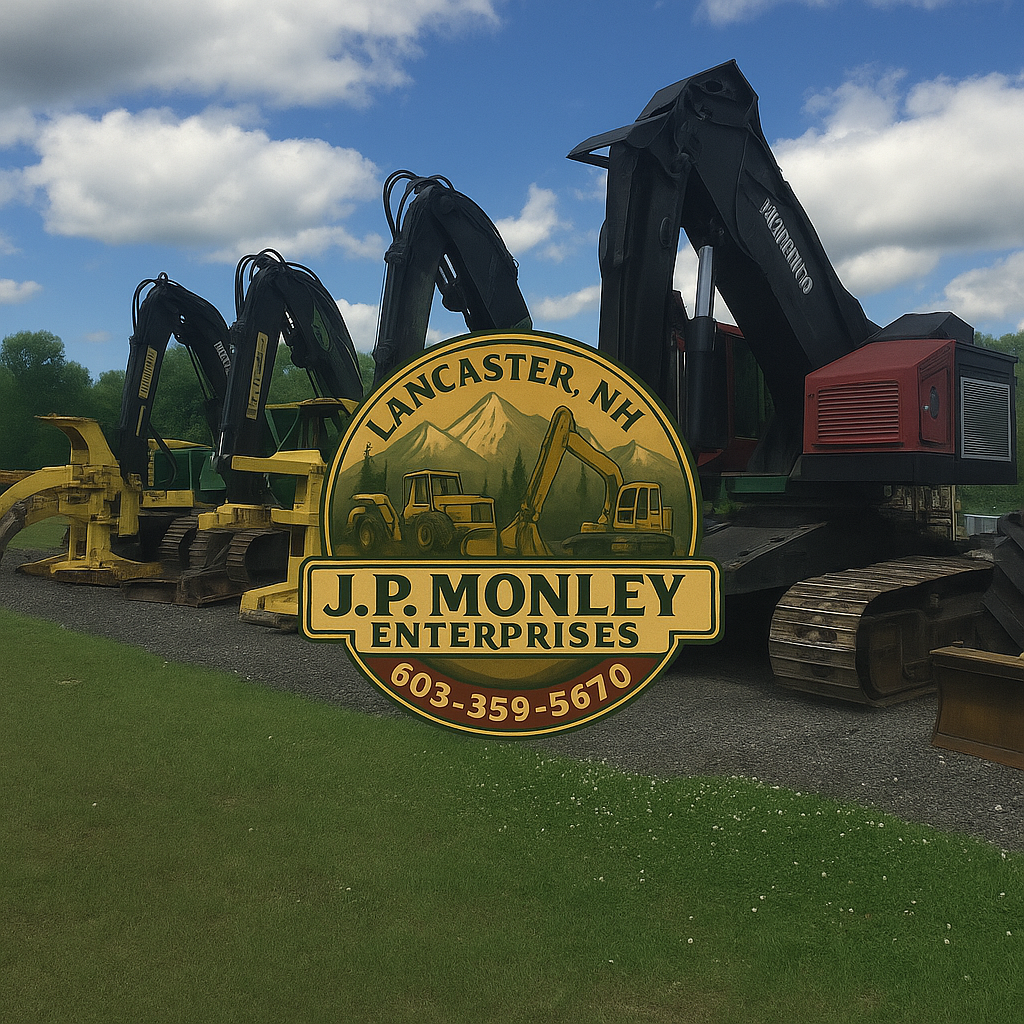
Investing Wisely: How to Assess the Value of Used Heavy Equipment Dec 03, 2025
When evaluating used heavy equipment, the first step is to thoroughly understand your operational needs. Identify the specific tasks the equipment must perform and determine if the used machinery aligns with these requirements. Having clarity on your needs will not only aid in narrowing down your choices but also prevent overspending on features you don't require.
The next critical aspect is diligent research. Leverage your existing industry networks or online platforms that specialize in heavy equipment sales to compare prices and availability. By examining market trends, you can gauge whether a piece of equipment is priced in line with its value or if there's room for negotiation. You can also assess how demand and supply might affect your decision.
Physical inspection is essential when assessing used heavy equipment. Examine the machine thoroughly or employ a trusted and experienced technician to inspect on your behalf. Key areas of focus should include the engine, hydraulics, undercarriage, and any electronics. Pay close attention to the wear and tear, and flag any signs of damage or excessive use. A machine that is too worn down will likely incur repair costs more than its worth.
Service history and documentation also play a significant role in evaluating equipment. Review maintenance logs and past repairs to understand the equipment's operational history. This information gives insight into how well the equipment has been cared for and can indicate potential future issues. Consistently maintained machines usually guarantee better performance and durability.
A test drive or operational test should never be overlooked when assessing used heavy equipment. Experiencing how it handles in real time can reveal issues not immediately visible in static inspections. Pay attention to sounds, exhaust smoke, and responsiveness, as these can be tell-tale signs of underlying mechanical problems.
Warranty or service agreements offered with the equipment can add a layer of security to your purchase. While many used machines might not come with a warranty, identifying those that do—including details such as coverage duration and components included—can mitigate risks and ensure peace of mind.
Furthermore, the reputation of the seller should be considered. Establishing a relationship with a reputable dealer can offer additional assurances of quality and transparency. Trusted dealers often offer comprehensive after-sales services, supporting your investment throughout its lifecycle.
Concluding your assessment, factor in total cost of ownership, including potential repairs, routine maintenance, insurance, and operational costs. These calculations will ensure your investment remains within budget and delivers the anticipated return on investment.
In summary, assessing the value of used heavy equipment requires careful planning and thorough investigation. By prioritizing your needs, conducting detailed research, and paying attention to physical and operational inspections, you can secure equipment that supports your business goals efficiently and cost-effectively. Wise investment decisions today pave the way for robust business operations tomorrow.
/filters:no_upscale()/filters:format(webp)/media/a406f8d4-fc48-4a8c-a408-96bbab09ee0f.png)