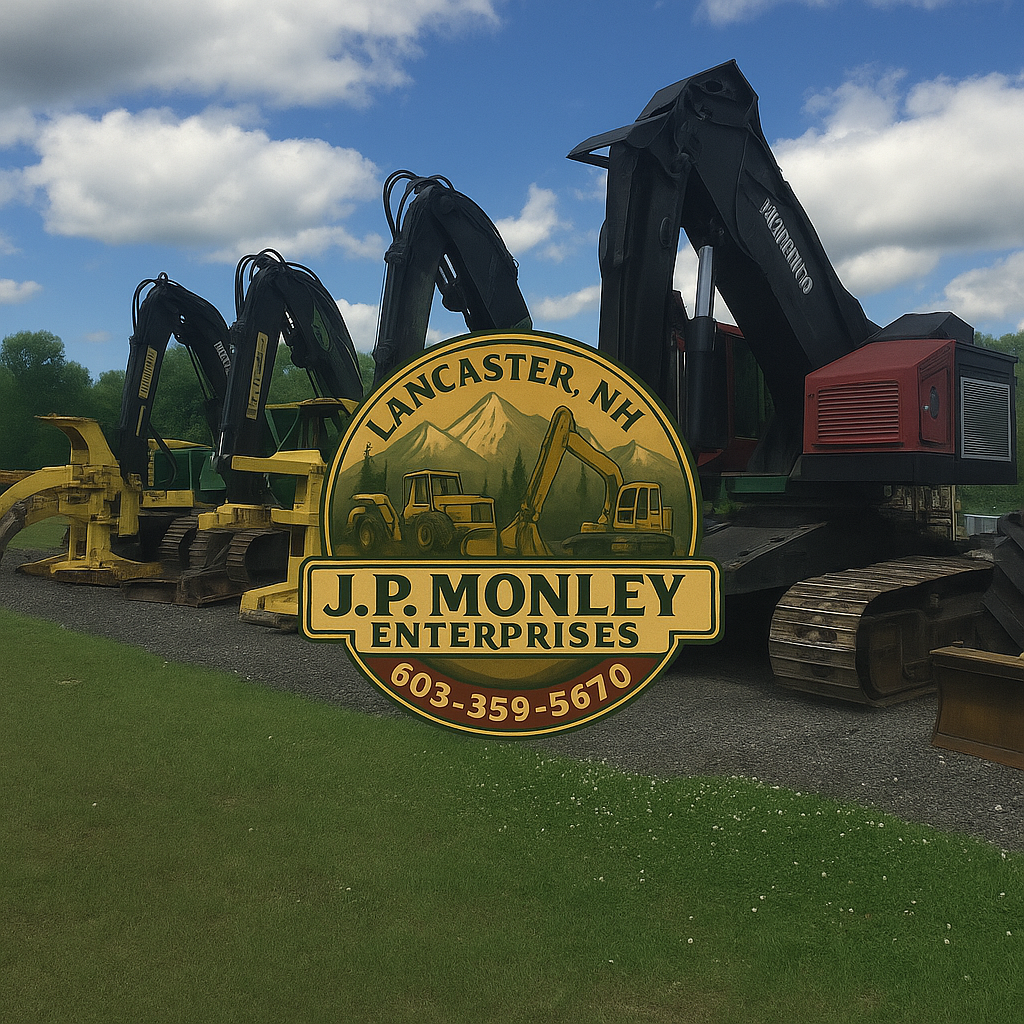
Building a Resilient Fleet: Strategies for Strengthening Your Heavy Equipment Lineup Jan 09, 2026
One of the first steps in building a robust fleet is to conduct a thorough inventory assessment. Evaluate the current assets you have, noting their age, condition, and usage history. This assessment will help you identify which machines are underperforming and need replacement or repairs. Regularly updating this inventory ensures you have a complete overview of your equipment's capabilities and shortcomings. Accurate data collection from your assessments can help in making informed decisions, thus optimizing both time and resources.
Upgrading your fleet is another critical strategy. Technology in heavy equipment evolves rapidly, offering more efficient and environmentally friendly options. Investing in newer models with advanced technology can improve operational efficiency and reduce maintenance costs. Before making a purchase, consider the cost-benefit analysis of owning versus leasing equipment. Leasing can offer flexibility and reduces the financial burden of owning large machinery, especially if your projects require varied types of equipment from time to time.
Maintenance is the backbone of fleet resilience. A well-maintained machine reduces downtime and is less likely to fail unexpectedly. Establish a routine maintenance schedule that includes regular inspections, part replacements, and software updates for digital components. Predictive maintenance technologies use data analytics to anticipate machinery issues before they result in expensive failures. Implementing these technologies can significantly extend the lifespan of the equipment and maintains its reliability.
Operator training is often overlooked but is crucial to fleet longevity. Skilled operators not only enhance safety but also maximize the machinery's potential by utilizing advanced features correctly. Regular training sessions for your team ensure that all operators are aware of best practices and the latest operational techniques. This not only boosts productivity but also decreases wear and tear on your equipment.
Another strategy is to keep track of market trends and industry demands. Understanding these elements helps anticipate the need for specific types of machinery. Whether the focus is shifting towards electric-heavy equipment for environmental compliance or machinery adjusted for new construction methods, staying informed allows your fleet to evolve with industry changes, keeping you competitive and compliant.
Finally, establishing relationships with reliable suppliers and dealers ensures access to quality parts and equipment when needed. These relationships can also offer insights into emerging technologies and better pricing options, helping you stay ahead in fleet management strategies.
In conclusion, building a resilient fleet of heavy equipment requires a combination of proper evaluation, regular maintenance, strategic upgrades, skilled operation, and staying current with industry trends. By implementing these strategies, you ensure not only the efficiency of your heavy equipment lineup but also improve the overall reliability of the services you provide. Each element of these strategies works in tandem to create a fleet that can withstand the demands of modern industries, driving success and sustainability for your business.
/filters:no_upscale()/filters:format(webp)/media/a406f8d4-fc48-4a8c-a408-96bbab09ee0f.png)